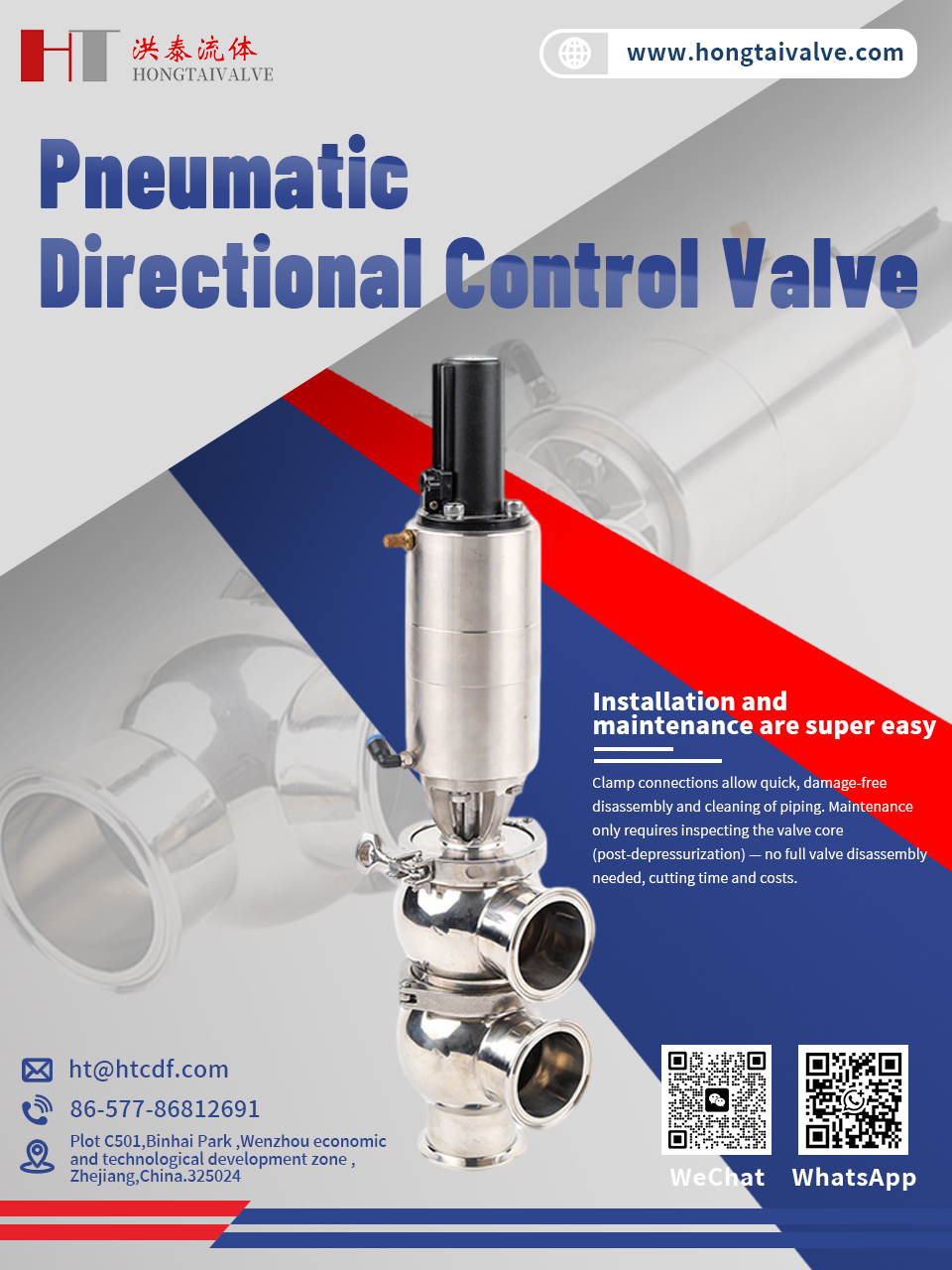
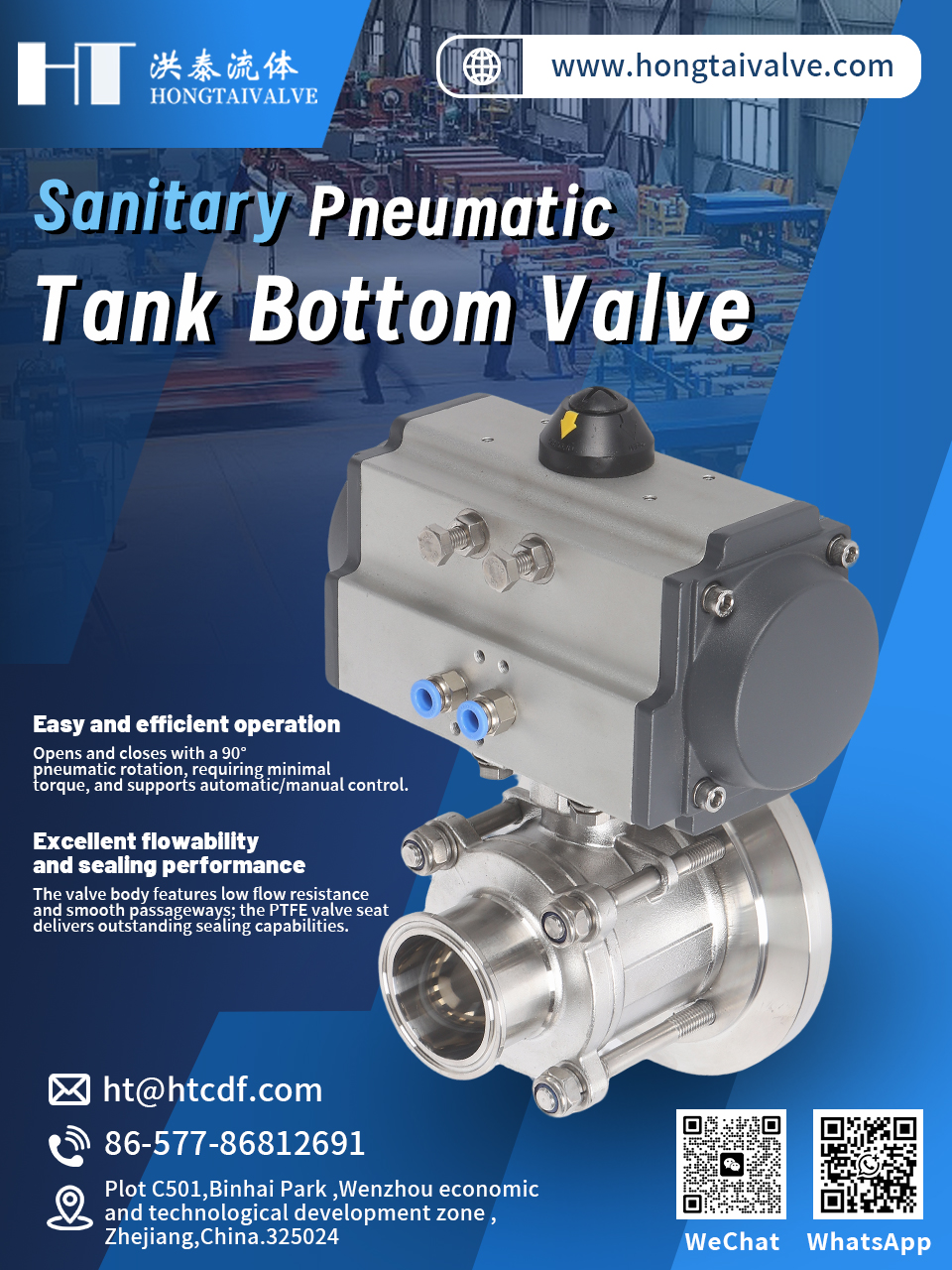
Sanitary tank bottom valves are industrial equipment specifically designed for discharging materials from the bottom of reaction vessels in clean industries such as pharmaceuticals, biotechnology, fine chemicals, and food. Compared to other valves, they offer unique advantages:
 Application Scenarios
• Pharmaceutical Industry: Used at the bottom of reaction kettles and storage tanks, these valves can precisely control material discharge during drug production, ensuring drug quality and the hygiene and safety of the production process.
• Biotechnology: They are employed for material discharge from biological fermentation tanks and compounding tanks, meeting the high requirements of biological products for the production environment and material purity.
• Fine Chemicals: In fine chemical production, where precise control and high purity of materials are crucial, sanitary tank bottom valves can meet these demands, ensuring stable product quality.
• Food Industry: In food processing, they are used in blending tanks and storage tanks, preventing material residue and contamination, and complying with food hygiene standards.
Advantages
• Dead-space-free Discharge: With a 35-degree inclined installation design, these valves, in conjunction with container agitators, can achieve dead-space-free discharge and self-cleaning functions, avoiding material residue and reducing the risk of cross-contamination.
• High Cleanliness: The interior of the valves features mirror polishing, with a roughness of 0.2 – 0.45μm. The smooth surface is not conducive to bacterial growth, meeting sanitary requirements and effectively preventing microbial contamination.
• Excellent Sealing Performance: The sealing components are made of materials such as PTFE, EPDM, and FPM, which can adapt to different media conditions, effectively preventing material leakage and ensuring the safety and stability of the production process.
• Compact Structure: Their design allows them to be installed in narrow spaces, facilitating layout and use in various equipment and reducing space occupation.
• Multiple Interface Options: They offer various interface forms, including welding, clamps, and flanges, compatible with international standards such as ISO and DIN, facilitating connection with different equipment.
• Flexible Operation Modes: They support both manual and pneumatic operation modes. The pneumatic versions can also integrate process controllers and position sensors, enabling remote automated control and improving production efficiency.